
Saipan & World War II
The Battle of Saipan, June 15 – July 9, 1944
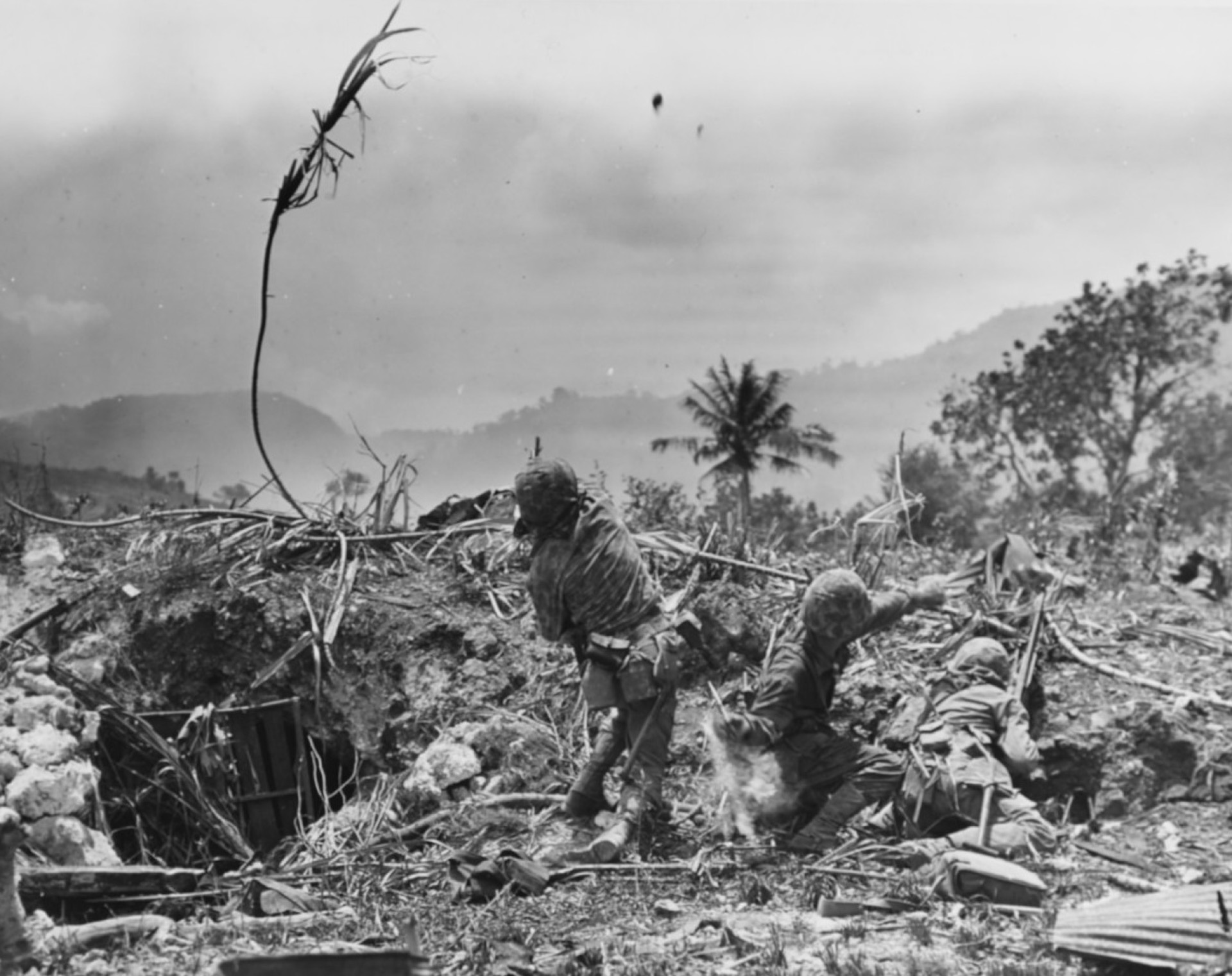
The Battle of Saipan was fought from June 15 to July 9, 1944 -- 24 days that made this island one of the costliest battlegrounds of the Pacific War, and the ground this Post now calls home.
Background
By 1944, Saipan had been administered by Japan for over two decades and was fortified as part of Japan's "absolute national defense zone." Its capture was central to American strategy: airfields on Saipan could put the new B-29 Superfortress bomber within range of the Japanese home islands for the first time in the war. Fifth Fleet commander Admiral Raymond A. Spruance and amphibious forces commander Vice Admiral Richmond K. Turner made Saipan the opening objective of Operation Forager, the campaign to seize the Mariana Islands.
Order of Battle
American landing forces fell under Lieutenant General Holland M. "Howlin' Mad" Smith's V Amphibious Corps: the 2nd Marine Division (Major General Thomas E. Watson) and 4th Marine Division (Major General Harry Schmidt) led the assault, with the Army's 27th Infantry Division (Major General Ralph C. Smith, later Major General George Griner) -- built around the 105th, 106th, and 165th Infantry Regiments -- in reserve. Opposing them was Japan's 31st Army under Lieutenant General Hideyoshi Obata, spearheaded by the 43rd Infantry Division (Lieutenant General Yoshitsugu Saito) and the 47th Independent Mixed Brigade (Colonel Yoshiro Oka), with naval forces under Vice Admiral Chuichi Nagumo, the officer who had commanded the Pearl Harbor strike force in 1941.
The Invasion
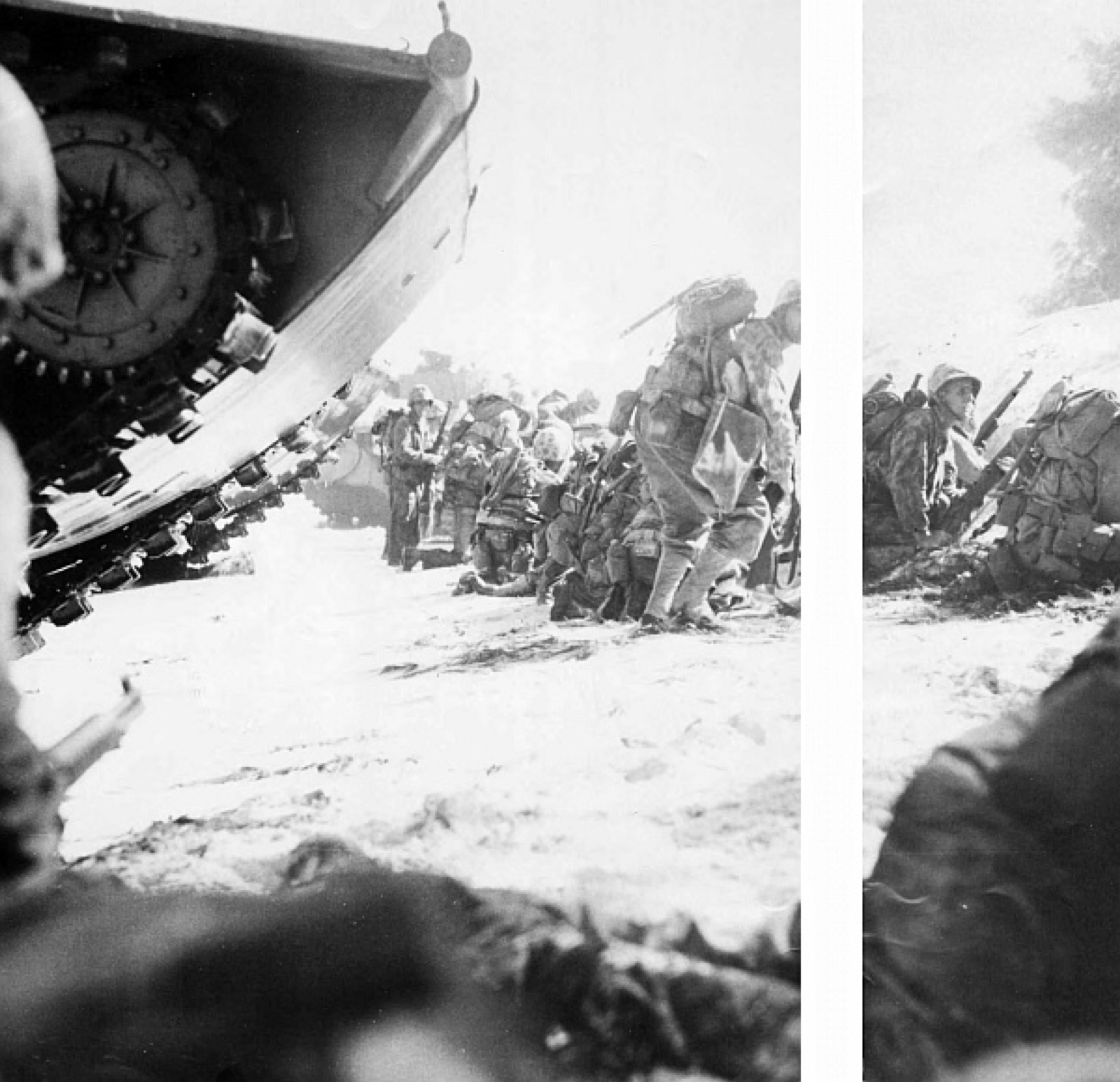
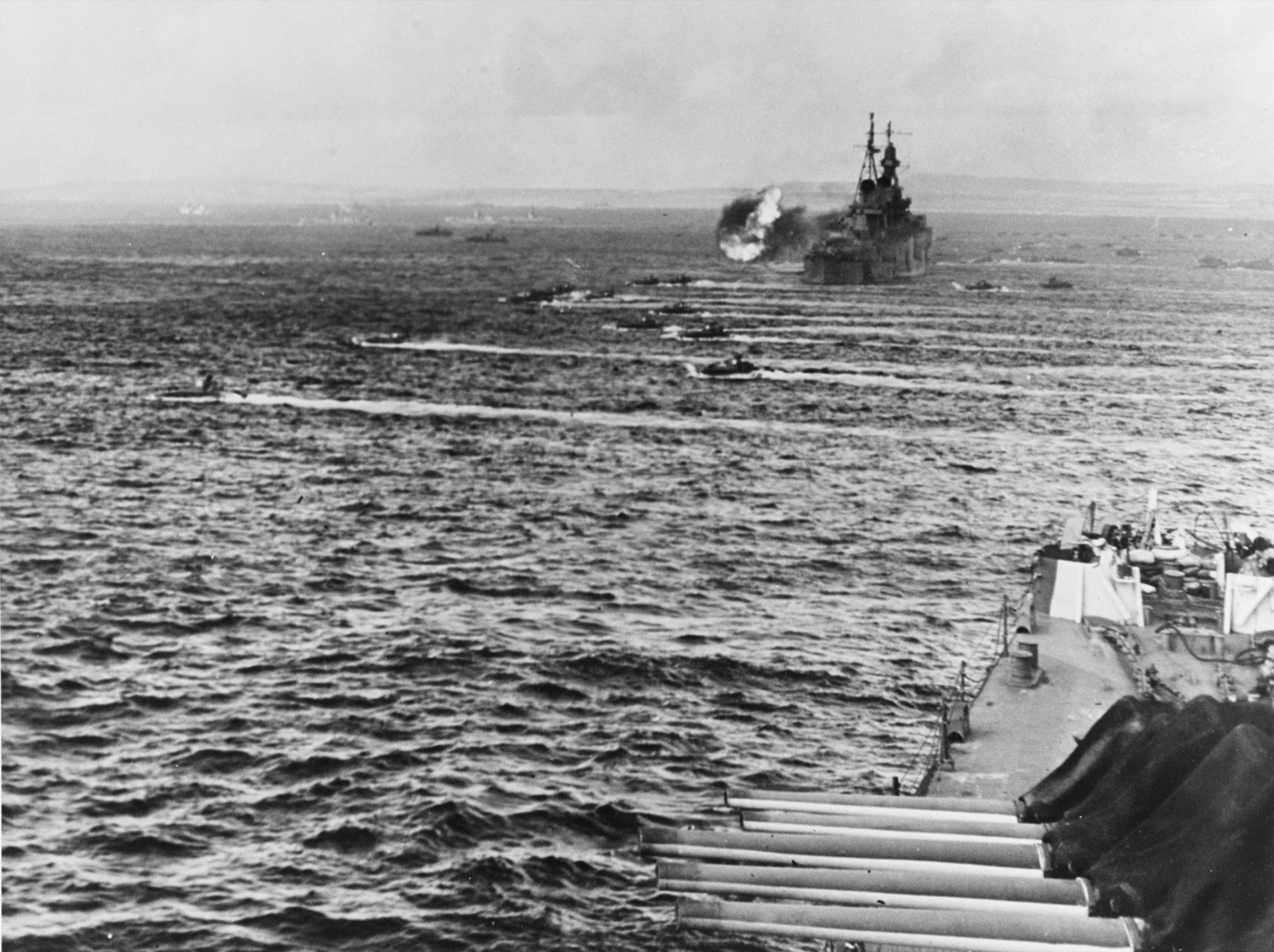
At 0542 on June 15, 1944, Vice Admiral Richmond K. Turner ordered "Land the landing force." Around 8,000 Marines hit Saipan's western beaches near Charan Kanoa in the first 20 minutes alone, riding LVTs through a reef that geysered with artillery and mortar fire. A diversionary feint off Tanapag Harbor by part of the 2nd Marines tied down a Japanese regiment without fooling the enemy command. A strong northerly current pushed the assault battalions of the 6th and 8th Marines some 400 yards off course, tearing a gap between the 2nd and 4th Marine Divisions that Japanese gunners at Afetna Point exploited with murderous enfilade fire -- five of the 2nd Division's six assault battalion commanders were wounded before the day was out. By nightfall roughly 8,000 Marines were ashore and dug in, having suffered the first of what would be more than 5,000 American casualties by D+3.
Fighting Inland
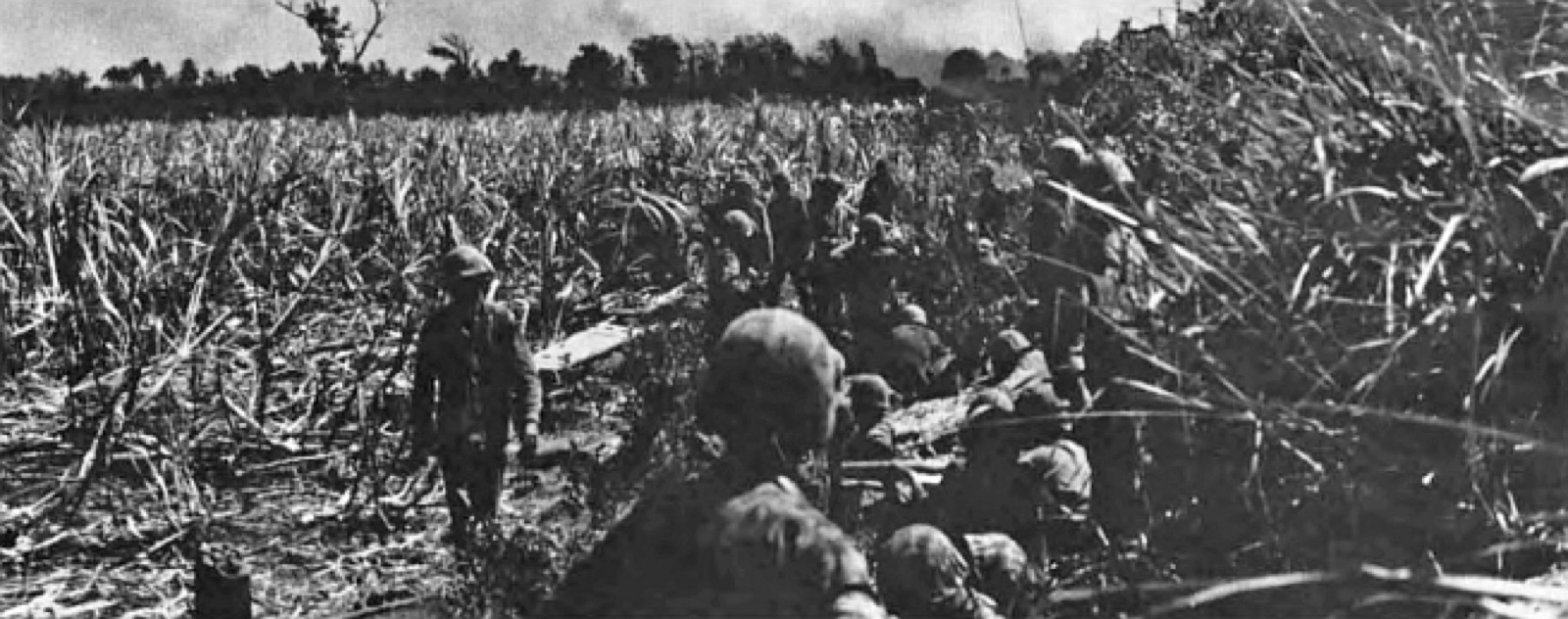
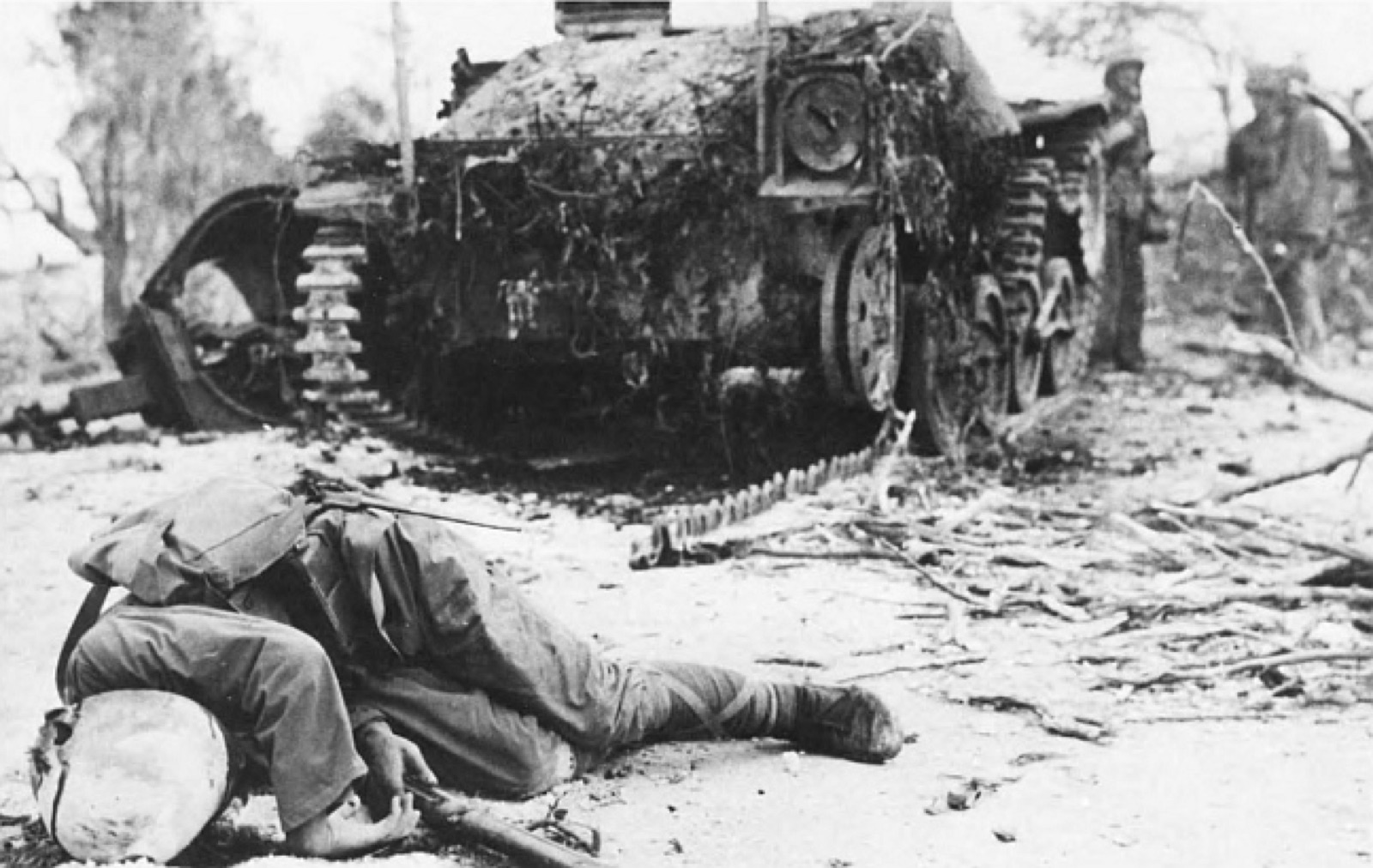
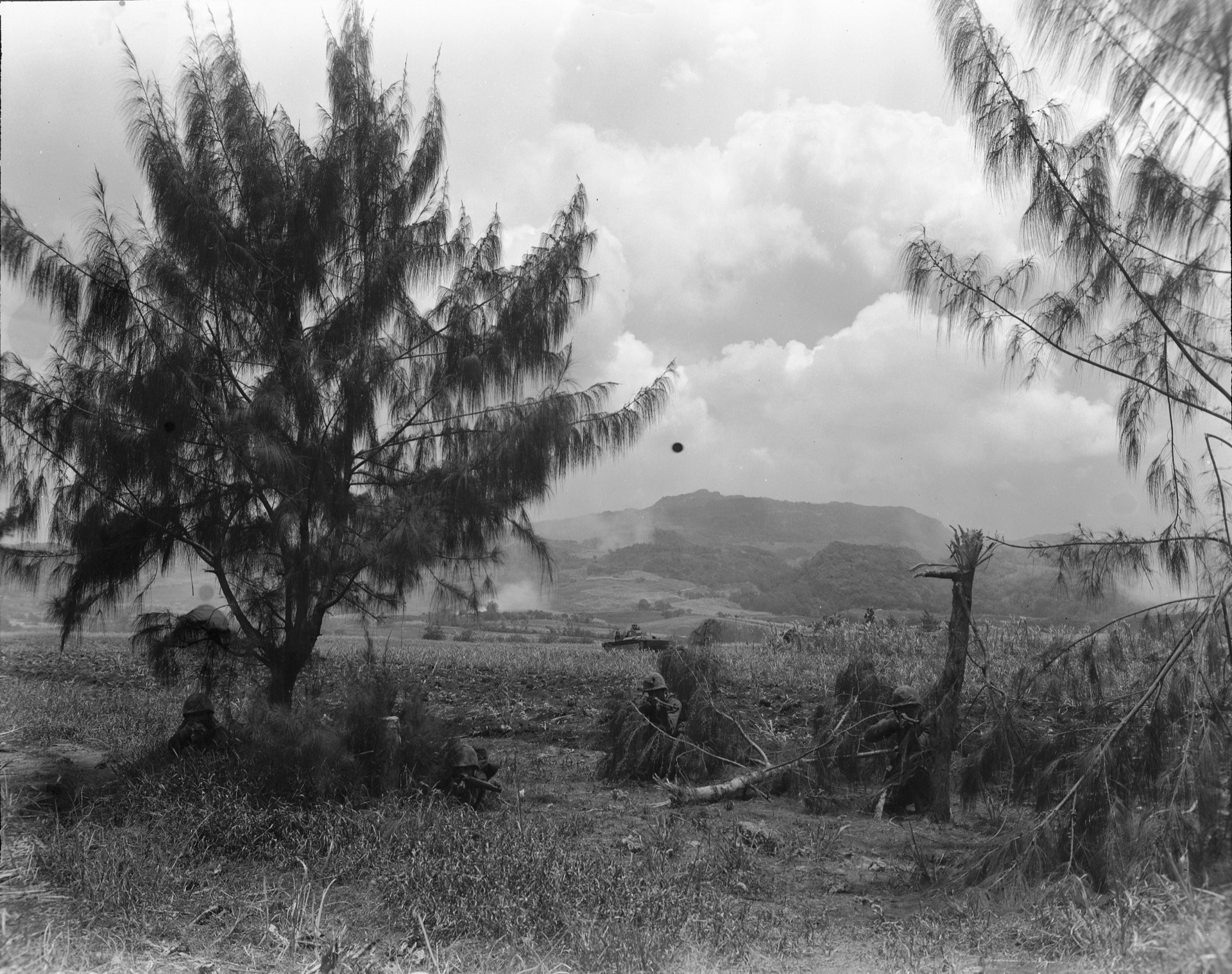
Securing the island took over three weeks of brutal, often hand-to-hand fighting across terrain that favored the defenders at every turn: the exposed killing ground GIs and Marines named "Death Valley," the ridge above it that became "Purple Heart Ridge," "Hell's Pocket," and the jagged coral heights of Mount Tapotchau, Saipan's highest point at 1,554 feet, finally taken by the Marines in late June in what marked the campaign's turning point. On the night of D+1, roughly 44 Japanese tanks led a counterattack on the 6th Marines; by dawn 24 lay smoking on the field. Fighting also raged through the cane fields of Kagman Peninsula, the swamps of Lake Susupe, and the island's capital, Garapan -- the same district where this Post stands today. By D+6 the two Marine divisions alone had suffered 6,165 casualties.
The Relief of General Ralph Smith
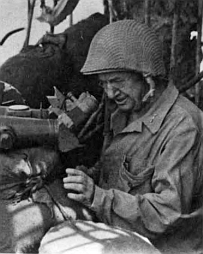
The advance stalled in the Army 27th Infantry Division's sector around Death Valley and Hell's Pocket, exposing the flanks of the Marine divisions on either side. On June 24, 1944, V Amphibious Corps commander Lieutenant General Holland M. Smith relieved the 27th's commander, Major General Ralph C. Smith, replacing him with Major General George Griner. The relief of an Army general by a Marine corps commander -- the only such case of the war -- ignited a bitter interservice controversy that outlived the battle itself, prompting a formal Army board of inquiry into whether the decision was justified.
The Great Marianas Turkey Shoot
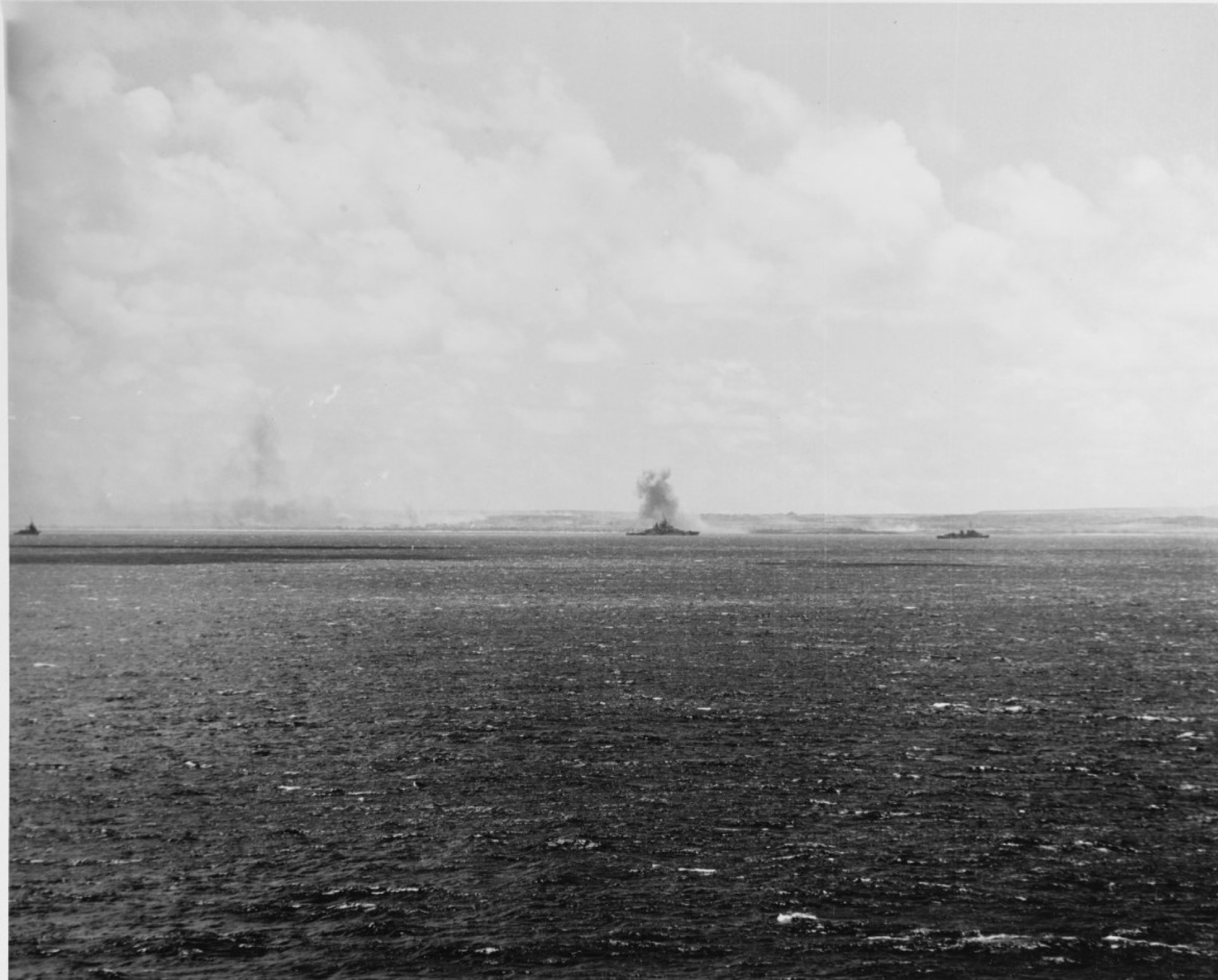
While the infantry fought ashore, the outcome was sealed at sea. On June 19, American and Japanese carrier fleets clashed in the largest carrier battle of the war; U.S. Navy pilots shot down 330 of the 430 Japanese aircraft launched against them in a rout aviators nicknamed "the Great Marianas Turkey Shoot." With the Imperial Navy's carrier air power effectively destroyed, no relief for the Saipan garrison would ever come.
The Final Banzai Charge
In the campaign's final hours, before dawn on July 7, 1944, an estimated 3,000 remaining Japanese soldiers -- walking wounded among them, some armed only with knives lashed to sticks -- launched one of the largest banzai charges of the Pacific War near Tanapag Harbor, overrunning forward positions of the Army's 105th Infantry, which alone suffered 918 casualties while killing an estimated 2,295 Japanese in the fighting. Total Japanese dead in the final assault and its aftermath reached roughly 4,311. Organized resistance on Saipan ended two days later, on July 9.
Civilian Tragedy
The battle brought immense tragedy to Saipan's civilian population. As American forces closed in on the island's northern cliffs, Japanese propaganda convinced many civilians that capture meant torture or death. Hundreds waded into the sea to drown themselves; others took their own lives with grenades or knives at Marpi Point, Banzai Cliff, and Suicide Cliff in the war's final days. Their memory is honored today at peace memorials near those sites.
Medal of Honor
Seven American service members received the Medal of Honor, the nation's highest award for valor, for actions during the Battle of Saipan -- three soldiers of the Army's 105th Infantry Regiment and four US Marines:
Lt. Col. William J. O’Brien
U.S. Army, 1st Battalion, 105th Infantry Regiment
Refused evacuation despite serious wounds during the July 7 banzai charge and manned a jeep-mounted .50-caliber machine gun until overrun. Killed in action.
Capt. Ben L. Salomon
U.S. Army, 2nd Battalion, 105th Infantry Regiment (Surgeon)
Fought off Japanese soldiers who overran his aid station on July 7, then manned a machine gun to cover the evacuation of the wounded. Killed in action; awarded 58 years later, in 2002.
Pvt. Thomas A. Baker
U.S. Army, 105th Infantry Regiment
Destroyed a Japanese emplacement and fought for days despite severe wounds, ultimately sacrificing himself to cover his comrades’ retreat during the final assault. Killed in action.
Gunnery Sgt. Robert H. McCard
U.S. Marine Corps, Company A, 4th Tank Battalion, 4th Marine Division
Covered his tank crew’s escape from a disabled tank with grenades, then destroyed sixteen enemy soldiers with a dismantled machine gun to ensure their safety. Killed in action, June 16, 1944.
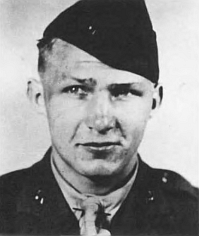
Pfc. Harold C. Agerholm
U.S. Marine Corps, 4th Battalion, 10th Marines, 2nd Marine Division
Single-handedly evacuated approximately 45 wounded Marines under heavy rifle and mortar fire on July 7, 1944, before being mortally wounded by a sniper. Killed in action.
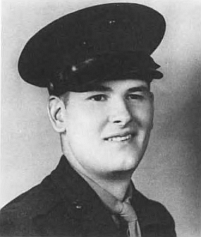
Pfc. Harold G. Epperson
U.S. Marine Corps, 1st Battalion, 6th Marines, 2nd Marine Division
On July 25, 1944, dove onto an enemy grenade to smother the blast and save the lives of the Marines around him. Killed in action.
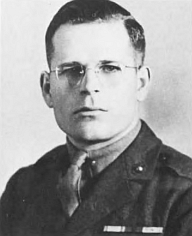
Sgt. Grant F. Timmerman
U.S. Marine Corps, 2nd Battalion, 6th Marines, 2nd Marine Division
On July 8, 1944, blocked an open tank hatch with his own body to smother a thrown grenade, saving his crew. Killed in action.
Significance & Aftermath
American victory on Saipan came at a cost of roughly 3,100 to 3,225 US dead, 326 missing, and over 13,000 wounded; more than 25,000 Japanese soldiers were killed and 1,810 taken prisoner. The loss was so catastrophic that it brought down the wartime government of Japanese Prime Minister Hideki Tojo within weeks. Saipan and neighboring Tinian were rapidly developed into major B-29 airbases, from which the Twentieth Air Force conducted the strategic bombing campaign against Japan for the remainder of the war.
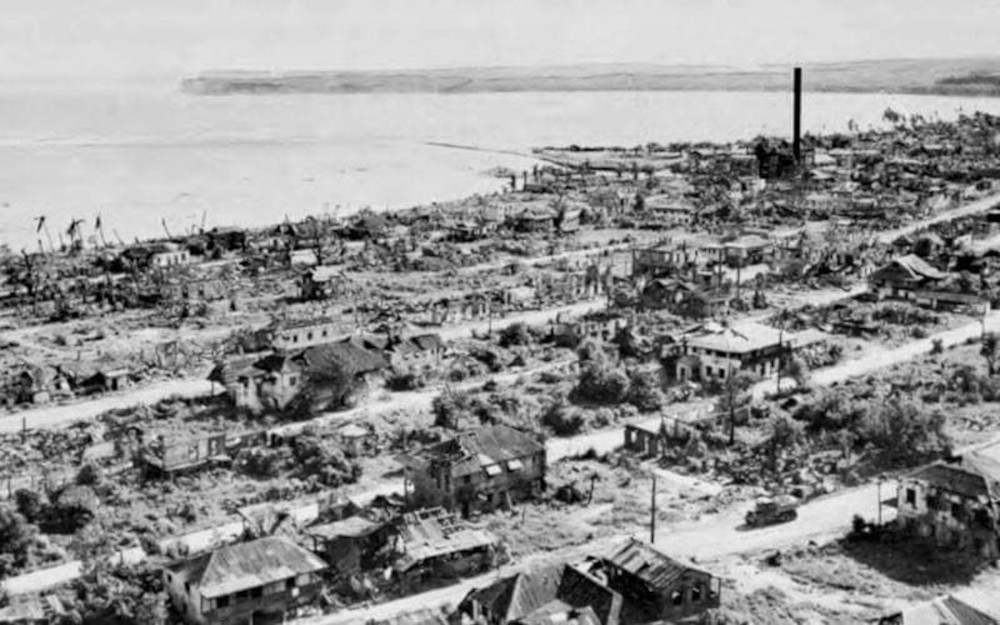
Our Post's Legacy
VFW Post 3457 was chartered to honor that legacy and to serve the veterans, service members, and families who call Saipan and the CNMI home today. Our members walk the same ground where a generation of Americans and Japanese fought and died, and where Saipan's own people paid an unimaginable price -- carrying forward "No one does more for veterans" in the very place where so many gave everything.
Sources & Further Reading
- Chapin, John C., Capt. USMCR (Ret). Breaching the Marianas: The Battle for Saipan. Marines in World War II Commemorative Series. Washington, D.C.: Marine Corps Historical Center, 1994. Also available via the Marine Corps University and the Ibiblio Hyperwar Foundation.
- Battle of Saipan, Wikipedia — order of battle and casualty figures.